“coffee fruit processing” search results (7000)

Coffee washing method Solarization and processing method Taste variety Production area introduction
Sunlight is also known as natural drying because it uses natural sunlight to dry coffee fruits and green beans. Due to the use of artificial and natural processing methods in the process, sun-dried beans look less neat in appearance and sell less well. 1. Bean selection: Put the harvested fruit into a tank filled with water, and the ripe fruit will sink, while the immature and overripe fruits will sink.
2016-10-19 coffee washing treatment solarization processing method taste variety region estate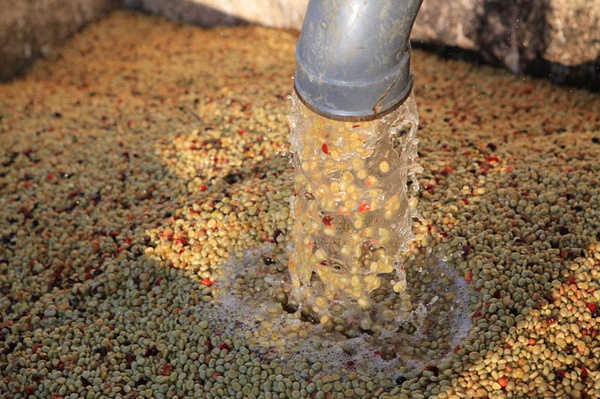
Different treatment methods of raw coffee beans are analyzed in detail.
After picking, coffee fruits need to go through a series of processes before they can become what we call coffee raw beans. This series of processes are often referred to as the handling of raw coffee beans or the rough processing of raw coffee beans in the industry. How do coffee beans get coffee there is a pair of seeds in the middle of the fruit, which are wrapped in the outer skin, pulp and endocarp. The ripe coffee fruit should stand after picking.
2015-11-20 Details analysis coffee raw beans various different treatment methods picking
Processing Technology of Brazilian Coffee Raw beans Coffee Tree Fine Coffee
The Brazilian coffee industry follows the principle of picking first and screening later, but in other Latin American countries, people only pick fully ripe fruit, and if it is not mature enough, growers will leave the fruit on the tree. Why is there such a big difference between the two methods? The reason lies in the picking and treatment of raw beans. First of all, except for Brazil, the scale is larger.
2016-06-16 Brazil coffee raw beans processing craft coffee beans boutique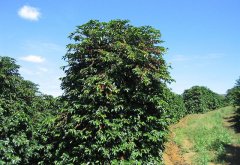
From coffee tree to coffee
Coffee is a perennial evergreen shrub or small tree of Rubiaceae. It is a horticultural perennial cash crop with the characteristics of fast growth, high yield, high value and wide market. Wild coffee trees can grow to a height of 5 to 10 meters, but coffee trees planted on the manor are often cut to less than 2 meters in order to increase their fruit and facilitate harvesting.
2014-07-22 Coffee knowledge coffee tree coffee process coffee encyclopedia
Processing method of fresh coffee beans-- wet treatment
Two methods in the processing of fresh coffee beans: wet treatment & drying
2014-06-17 Coffee knowledge coffee fresh beans coffee bean processing
The processing method of coffee beans after picking.
Since the coffee fruit does not ripen at the same time, the same branch may blossom at the same time, with green fruit or ripe fruit, so to obtain high quality coffee must be picked by hand. Once the coffee fruit is picked, the coffee bean must be separated from the coffee fruit as soon as possible. There are usually two ways to peel off the coffee fruit: washing (usually used in places where there is plenty of water) and drying.
2014-09-13 Coffee knowledge coffee bean picking coffee bean processing coffee encyclopedia
Drying method of Brazilian Coffee Bean by Mechanical drying
At present, the drying method is the simplest and traditional set of coffee processing methods, which should be paid attention to. Drying the fruit on a cement floor is the cheapest, simplest and most traditional way to process coffee beans. When processing, the harvested fruit should be spread on the cement floor, brick floor or straw mat. Ideally in the sun, and at regular intervals
2016-06-04 Brazil coffee beans machinery drying coffee method at present the simplest pass
Indonesia coffee beans variety introduction coffee beans roasting damper
Wahana Manor honey processed coffee beans from Indonesia, referred to as Wahana honey fruit. The so-called honey-treated coffee beans are actually a compromise without good coffee treatment conditions. Huahanna honey fruit, impressive is a light and soft sour; no previous Indonesian mantnin coffee beans that earthy smell, is a kind of approachable coffee beans. The honey process is called Honey Pro.
2016-06-05 Indonesia Coffee Bean Variety Introduction Roasting Damper From Wahan
The evolution of coffee from fruit to raw beans to understand the change process of coffee beans
In the middle of the fruit of coffee is a pair of oval seeds, which are covered with outer skin, inner pulp and pulp. Ripe fruit spoils in a short time without treatment. Refining is to remove the skin and pulp of the coffee fruit, and then take out the seeds. Generally speaking, about 1 kg of raw coffee beans can be obtained from 5 kg of coffee fruit. The refining methods include drying type, washing type, and compromise between the two.
2016-01-04 Coffee fruit change raw beans evolution process understanding coffee beans artifacts
Introduction of the whole process from coffee tree to fruiting
One of the characteristics of a coffee tree is that its fruit can bear fruit several times a year, and another is that flowers and fruits (also known as cherries) coexist at different stages of ripening. The whole coffee harvest is swayed by the vagaries of nature. If the fruit is too ripe, the beans in it will rot. If it is not ripe enough, the beans picked will not ripen by themselves. So bean pickers have to go through
2016-06-13 Coffee fruit whole process introduction coffee characteristics first its fruit.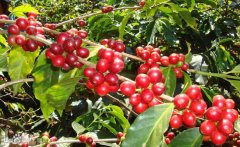
Brazilian coffee green beans processing technology American coffee beans honey processing commercial Brazilian beans green beans
The four most common treatments for Brazilian coffee are sun, desizing, half-washing and washing, with sun being the most popular. Since the harvest seasons of Cerrado Mineiro and Mogiana Paulista, Brazil's two main producing areas, are both dry seasons of the year, natural solarization is common in this area.
2016-06-28 Brazil Coffee Green beans Processing Craft Americas Coffee beans Commercial
On the treatment of coffee beans after picking
When the fruit of the coffee tree is picked, the four layers of skin wrapped around the coffee beans need to be removed in order to finally get the coffee beans needed. The main methods to remove the outer epidermis of coffee beans are "wet treatment" and "dry treatment".
2014-08-25 Coffee knowledge coffee bean processing after picking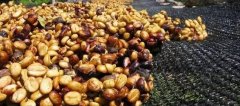
In addition to the sun, washing and washing, there is also a method called honey treatment.
Http://blog.seattlecoffeeworks.com/roastery/earth-honey-process/ do you know where coffee comes from? Today, we have carefully prepared this article for your readers. The article gives a rough account of how coffee beans change from fruit to mellow coffee. Among them, we focus on the raw bean treatment process of coffee, as well as
2015-09-10 Coffee processing methods in addition to the sun washing and a kind called honey English
Production method of coffee beans the production process of coffee beans
First of all, the coffee bean is a red coffee fruit that is picked from the coffee tree and ripe by fermenting flat beans and round beans, as shown in the figure. The pale green core with a little blue in the middle is the coffee bean. In general, the core of a coffee fruit is oval. When two kernels are opposite to each other, flat beans are formed; sometimes a single kernel grows and forms.
2016-05-27 Coffee bean production method production process coffee bean first one fruit
The production process of coffee beans in Rwanda
The maximum harvest season for Rwandan coffee is during the main rainy season, from March to the end of May. During the harvest season, farmers spend most of their day picking coffee fruits by hand. In the afternoon, farmers carry coffee fruits in traditional baskets made of banana leaves to a cleaning station a few hours away. Craftsmen use their hands to improve their quality.
2016-06-15 Rwanda coffee beans production process boutique coffee largest
Introduction to the structure diagram and growth process of coffee bean structure roaster
The harvested coffee berries need further treatment, usually in two ways. One is water washing, which is popular in Central America and parts of Africa; freshly harvested coffee berries separate the peel from the beans manually or mechanically, and then soak in water for 2 to 3 days. In this way, the pulp and sticky matter attached to the coffee beans will be removed. Then there is the Qing Dynasty.
2016-10-18 Coffee beans raw beans structure roaster structure diagram growth process introduction harvest
Introduction to the structure diagram and growth process of coffee bean structure roaster
The harvested coffee berries need further treatment, usually in two ways. One is water washing, which is popular in Central America and parts of Africa; freshly harvested coffee berries separate the peel from the beans manually or mechanically, and then soak in water for 2 to 3 days. In this way, the pulp and sticky matter attached to the coffee beans will be removed. Then there is the Qing Dynasty.
2016-10-18 Coffee beans raw beans structure roaster structure diagram growth process introduction harvest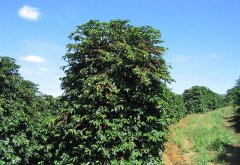
Coffee knowledge from Coffee Tree to Coffee
Coffee trees grow coffee as perennial evergreen shrubs or small trees of Rubiaceae. It is a horticultural perennial cash crop with the characteristics of fast growth, high yield, high value and wide market. Wild coffee trees can grow to a height of 5 to 10 meters, but coffee trees planted on the manor are often cut to less than 2 meters in order to increase their fruit and facilitate harvesting. The first opening of a coffee tree
2014-09-19 Coffee knowledge Coffee Tree Coffee Encyclopedia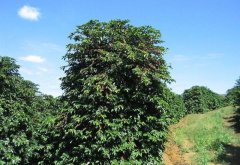
(turn) from coffee tree to coffee
Coffee is a perennial evergreen shrub or small tree of Rubiaceae. It is a horticultural perennial cash crop with the characteristics of fast growth, high yield, high value and wide market. Wild coffee trees can grow to a height of 5 to 10 meters, but coffee trees planted on the manor are often cut to less than 2 meters in order to increase their fruit and facilitate harvesting. The first flowering period of a coffee tree is about the age of the tree.
2014-08-18 Coffee tree coffee tree growth coffee encyclopedia
Introduction to the production process of Panamanian Coffee Vietnamese civet coffee
The maximum harvest season for Rwandan coffee is during the main rainy season, from March to the end of May. During the harvest season, farmers spend most of their day picking coffee fruits by hand. In the afternoon, farmers carry coffee fruits in traditional baskets made of banana leaves to a cleaning station a few hours away. Craftsmen use their hands to improve their quality.
2016-06-13 Panama Coffee production process Environment introduction Vietnam Musk